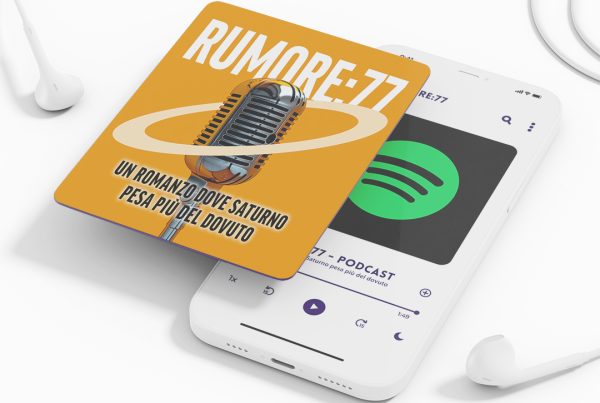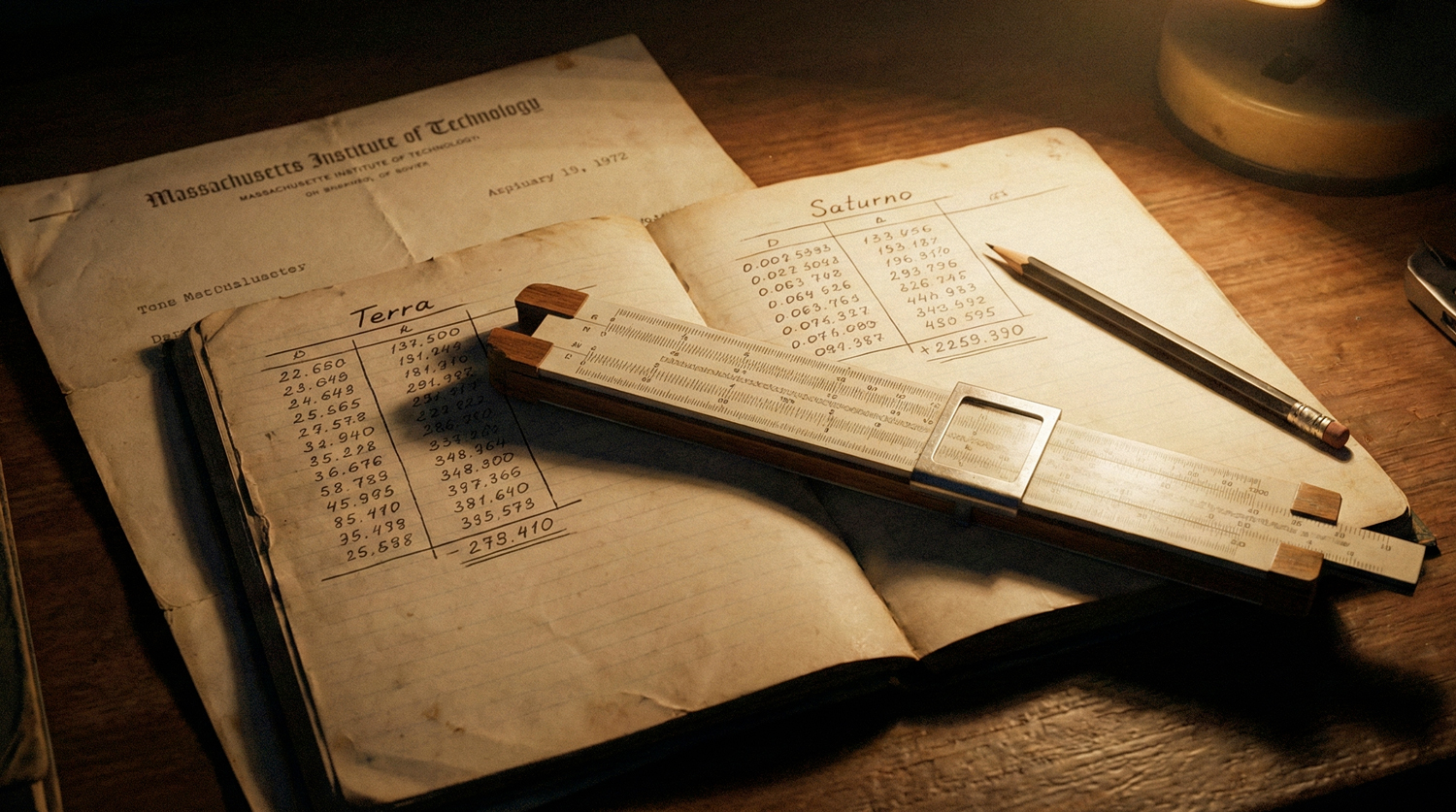
There’s a misconception: if you put science in a novel, you have to play the professor. No. I’m not a professor, and I didn’t write Noise:77 to give a lesson. I wrote it to make you feel that certain ideas aren’t decorative — they’re dangerous.
Dangerous in a simple sense: if they’re true, they change behaviour. They change investments. They change priorities. They change freedom. What interests me is the moment when a piece of data goes from being a “curiosity” to being a “problem.” That’s a political moment, before it’s even a technical one. Because from that point on, you’re no longer just deciding how to measure. You’re deciding what to communicate, what to conceal, what to postpone, what to sacrifice.
And my argument against a certain contemporary style is here: that part is often skipped. Everyone rushes straight to the spectacular moment. But what I’m interested in is the moment when the room goes quiet and someone says: “If this holds up, it changes everything.” That sentence, for me, is worth more than a hundred explosions — which, granted, always make a fine dirty impression.